

RopesEdge and Reecoil have more in common than just making cool products – both brands were born to solve real-world problems for real industry issues.
There's a particular kind of frustration that only shows up when you've been in the trade long enough to know better. For Dirk Dorenbos, that irritation was stuffing a scrap of canvas through a grating edge, watching it bunch up, slip, and fail to actually do the one job it had – protect the rope.
He'd been in rope access since the late '90s, certified IRATA Level 1 in Llanberis, Wales, and had climbed his way up through the ranks to become a Level 3 assessor and instructor (no small feat). He'd seen every improvised "solution" the industry had thrown at edge protection: old fire hose, carpet remnants, you name it – he had seen it.
None of it held up, and all of it introduced a weak link into a system that isn't supposed to have one.
This particular industry gap is where RopesEdge started.

Not as a business plan, but as a genuinely simple wish: fewer weeks away from home, less time spent troubleshooting gear that should have already been solved, and more time with family. The irony is that solving that one problem – inadequate, makeshift edge protection – opened the door to an entire product line.
Once the first fabric rope protector worked, RopesEdge was born and went from a personal fix to a company whose products are shared worldwide.
Reecoil and RopesEdge share so many similarities. Not just in quality-standard alone products, but also in brand ethos.

Reecoil started in Dan Dass's garage in Australia. A UK-trained arborist who'd relocated Down Under, Dan was unhappy with the tool lanyards available to him, so he sat down on a $50 secondhand sewing machine and built his own. What began as a fix for himself and a few mates in the trade caught the attention of local gear shops, and word of mouth did the rest.
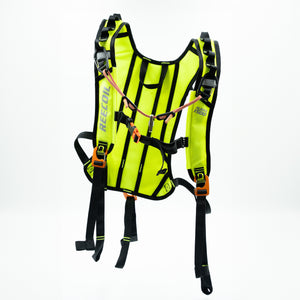
Today Reecoil designs and ships gear not just for arborists but also for fire and rescue amongst other trades – hydration harnesses, tool lanyards, rope bags, and trauma kits. Selling to more than 70 stores across 19 countries. We describe our customers as "industrial athletes" and we still build every product the same way Dan built the first one: spot a real problem in the field, sketch it, sew it, break it apart, and field-test it with working professionals before it ever goes to market.

The other thing Reecoil and RopesEdge share is impossible to fake: both were started by people who worked the job first and built the company second.
Dass was climbing trees before he was designing lanyards.
Dorenbos was assessing IRATA technicians before he was manufacturing rope sleeves.
Those mutual backgrounds show up in the small details that make a huge difference to the products: the length of a rope protector accounting for stretch under load and the placement of a hydration pack so it doesn't interfere with climbing.
None of that comes from a design brief. It comes from having been the technician who needed the gear to work exactly right, the first time, every time.
That shared philosophy is what makes RopesEdge and Reecoil a natural fit in the field – two companies built on opposite sides of the world arriving at the same conclusion: the best gear gets built by the people who actually have to use it and put their lives into it.
Check out Ropes Edge here: